JVC previews 8K cinema and 4K/120p gaming demonstrations for CEDIA
Two demo theatres at booth 3511 in Denver: the DLA-NZ900 on 8K cinema, the DLA-NZ800 on 4K/120p gaming with ALLM.
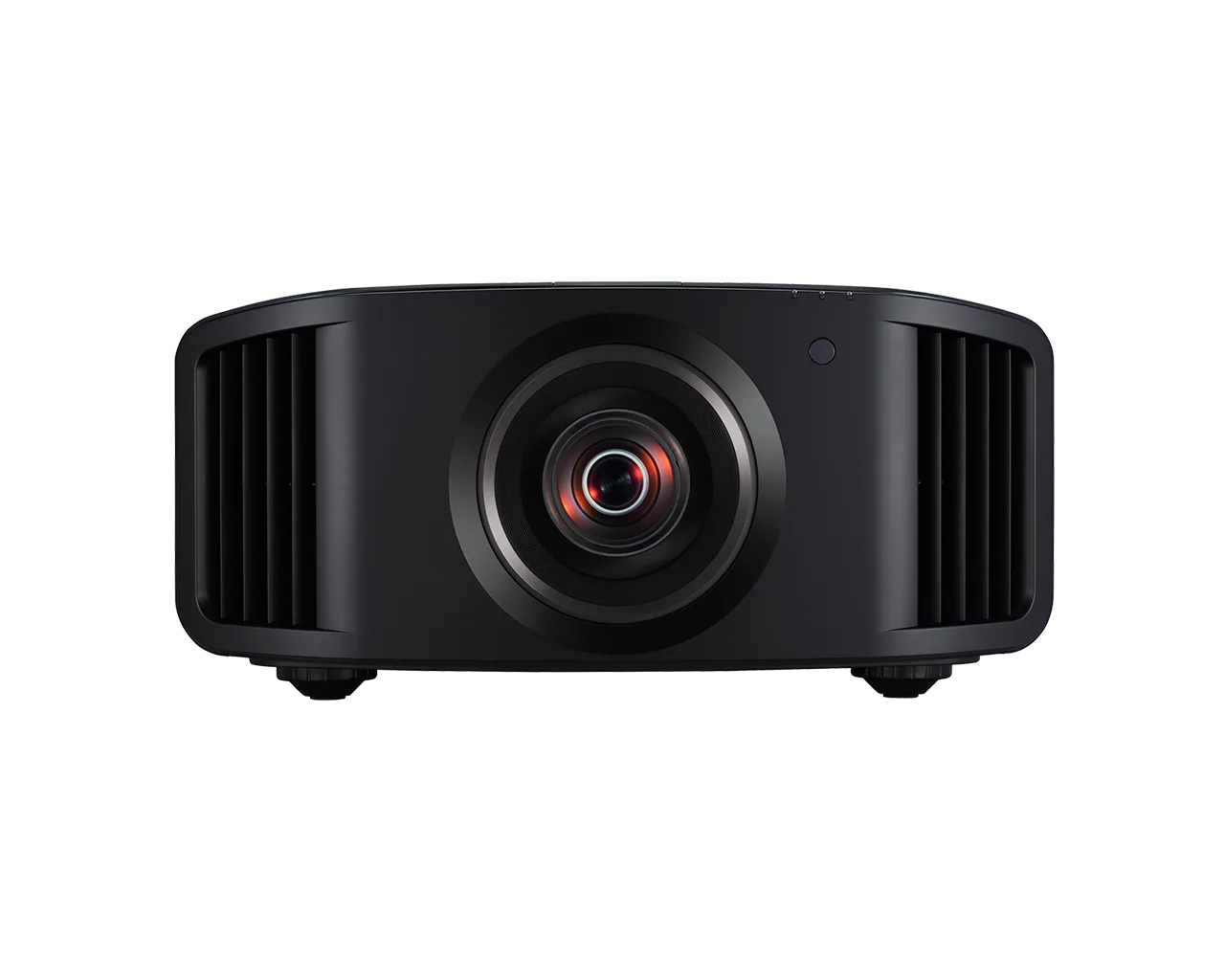
Two theatres on one booth: that is how JVC chose to frame its CEDIA 2026 preview, promising an 8K cinema demonstration in one room and 4K/120p gaming in the other. The pairing captures where premium home projection is being pulled. Film enthusiasts want deep contrast and fine detail, while console and PC players expect the display to keep up with high-frame-rate sources.
JVC's D-ILA projectors are established fixtures of the dedicated-theatre market, where installation conditions can be controlled. The harder question is how those strengths hold up when a source is asking for fast, low-latency 4K playback rather than a carefully mastered film at 24 frames per second.
Two theatres, two engineering priorities
JVC ran the demonstrations at booth 3511 during CEDIA Expo, held September 1 to 4, 2026, at the Colorado Convention Center in Denver. The cinema-focused Main Theater centred on the flagship DLA-NZ900, JVC's native 4K D-ILA projector with 8K/e-shiftX pixel-shifting and a BLU-Escent laser light source rated at 3,300 lumens. JVC quotes 150,000:1 native contrast for the NZ900, shown on a 165-inch Stewart Filmscreen StreamPro multi-masking screen with a Kaleidescape Strato K player supplying source material and Paradigm speakers handling audio.
The Gaming Theater used the DLA-NZ800, JVC's second-tier 8K D-ILA model, rated at 2,700 lumens and 100,000:1 native contrast. It shares the same e-shiftX processing as the NZ900 but is tuned for native 4K at 120p with Auto Low Latency Mode engaged, demonstrated on a 100-inch Screen Innovations Slate screen with a live soccer video game intended to let visitors feel the responsiveness of ALLM directly rather than read about it on a spec sheet.
The spec sheet and the show floor
Both projectors support HDMI input up to 48 Gbps, covering 8K at 60p and 4K at 120p, and both carry JVC's Frame Adapt HDR Gen2 processing alongside HDR10+ compatibility, which adjusts tone mapping scene by scene rather than applying one static curve for an entire film. JVC lists the NZ900 at roughly $25,999 to $32,999 and the NZ800 at around $15,999 depending on lens and finish, positioning them as flagship and upper-mid-tier models rather than mainstream purchases.
Those figures describe what the hardware is built to do. A controlled theatre with a matched screen, a curated content chain and ideal seating, such as the Elite HTS recliners JVC used for the gaming demo, is a favourable environment by design. Anyone using the demo as a buying aid should ask which picture mode is in use, whether 4K/120 retains the desired image controls, what the input lag is, whether the HDMI chain accepts the intended console or PC signal reliably and, for cinema, how the projector behaves on the screen size planned for the room.
The broader message of the preview is that premium home-cinema projection can no longer treat gaming as an optional extra. High refresh performance, ALLM support and a working 4K/120p signal path now sit alongside native contrast and HDR handling in the comparison, even for a brand whose reputation was built on cinema image quality.
Sources
Related Reading
XGIMI Unveils HORIZON 30 Series: 4K at 120Hz, Dual Iris Technology, and Up to 10,000:1 Native Contrast
XGIMI unveils the HORIZON 30 Pro, Max, and Ultra Max with RGB triple laser, 4K 120Hz, Dual Iris technology, and major contrast improvements.
Apple Music Hall Will Stream Concerts Globally From a 48-Speaker Spatial Audio Venue
Apple's new 600-capacity London venue combines Spatial Audio production, multicamera capture and global livestreaming, but home playback formats remain unannounced.
Epson Brings Three 4K Laser Projectors to the US From $1,999
The Home Cinema LS5000, LS6000 and short-throw LS7500 combine 3LCD laser engines, 4K/120Hz input and prices from $1,999.99.