Panasonic's 2026 projector lineup points to more laser and 4K options
Panasonic's 2026 quick reference PDF shows a broad professional projector lineup built around laser light sources, 4K options and installation flexibility.
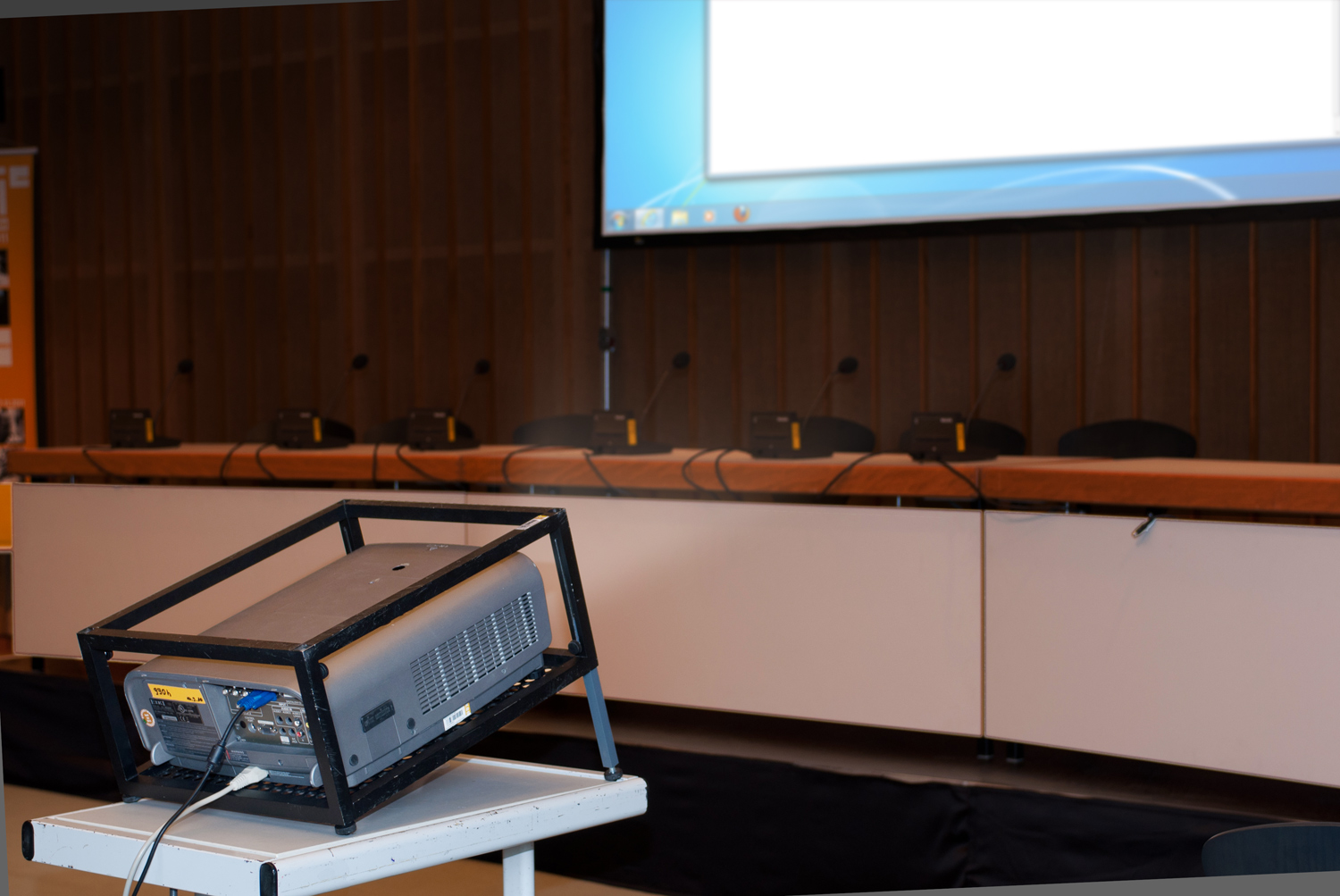
A lineup view, not a single launch
Panasonic's 2026 projector quick reference PDF is useful because it shows the market from a portfolio level. Instead of one hero model, the lineup maps a broad set of professional projectors across brightness classes, lens options, fixed-lens models and installation categories.
The important pattern is familiar: laser light sources dominate the modern lineup, and 4K or 4K-capable options are increasingly central. For ProAV buyers, this is about reliability and deployment flexibility rather than living-room convenience.
Why lineup references matter
Spec sheets for individual projectors can be exciting, but a lineup reference shows what a manufacturer expects installers to choose from. Panasonic is serving classrooms, conference rooms, museums, large venues and signage-style spaces. Those projects need predictable brightness, control compatibility, lens selection and long operating life.
The PDF also includes notes around replacement and control compatibility, which matters in real facilities. Many projector upgrades happen because an older installed model needs to be replaced without redesigning the entire room.
What this says about 2026
The professional market is clearly not waiting for consumer trends. Laser, higher resolution and flexible installation have become normal expectations. Home users may not buy these models, but the technology direction is the same one showing up in lifestyle projectors: less maintenance, better placement tools and brighter images for imperfect rooms.
For ProjectorLabz, Panasonic's lineup is useful context. It shows that the shift to laser-first projection is not only happening in flashy CES products. It is happening in the workhorse models that venues and institutions actually install.
Panasonic's 2026 projector lineup is useful because it shows how broad the professional projector market has become. The company is not simply selling one bright projector for every room. It is mapping products across education, corporate, venue, museum, simulation and event use cases. That is where projection remains difficult for flat panels to replace.
The reference PDF also reinforces the direction of travel: laser, 4K options, flexible installation and networked operation are becoming standard expectations in serious deployments. In many professional spaces, the projector is part of a system. It has to match lenses, mounts, control hardware, signal distribution and service plans.
The value of a lineup reference is clarity. Integrators need to understand which projector belongs in which room, what lens options are available, what brightness level is realistic and how each model handles long-duty operation. Spec sheets should be read alongside installation manuals, not in isolation.
For home readers, Panasonic's professional lineup is a useful reminder that projection is still solving large-image problems at scale. The consumer market borrows many of these lessons later, especially around laser reliability and installation flexibility.
Related Reading
Leica Cine Compact 1 brings Leica optics to a smaller 4K laser projector
Leica's Cine Compact 1 is a compact 4K Triple RGB laser projector with Dolby Vision, VIDAA streaming, 360-degree setup and a €1,645 launch price.
Acer HL6820GTV brings 4K laser, Google TV and high-refresh gaming to EMEA
Acer's HL6820GTV is a 4K laser projector built around bright living-room use, Google TV, VRR support and fast 1080p gaming modes.
BenQ TK705i and TK705STi lean into plug-and-play 4K streaming
BenQ's TK705i and TK705STi pair 4K projection with Google TV, automatic setup tools, HDMI gaming features and two throw-distance choices.