Optoma HCPro-5400 brings triple RGB laser to the pro home-cinema channel
A 5,000-lumen triple RGB laser 4K projector with Dolby Vision, HDR10+, IMAX Enhanced and Filmmaker Mode, sold through the custom-install channel.
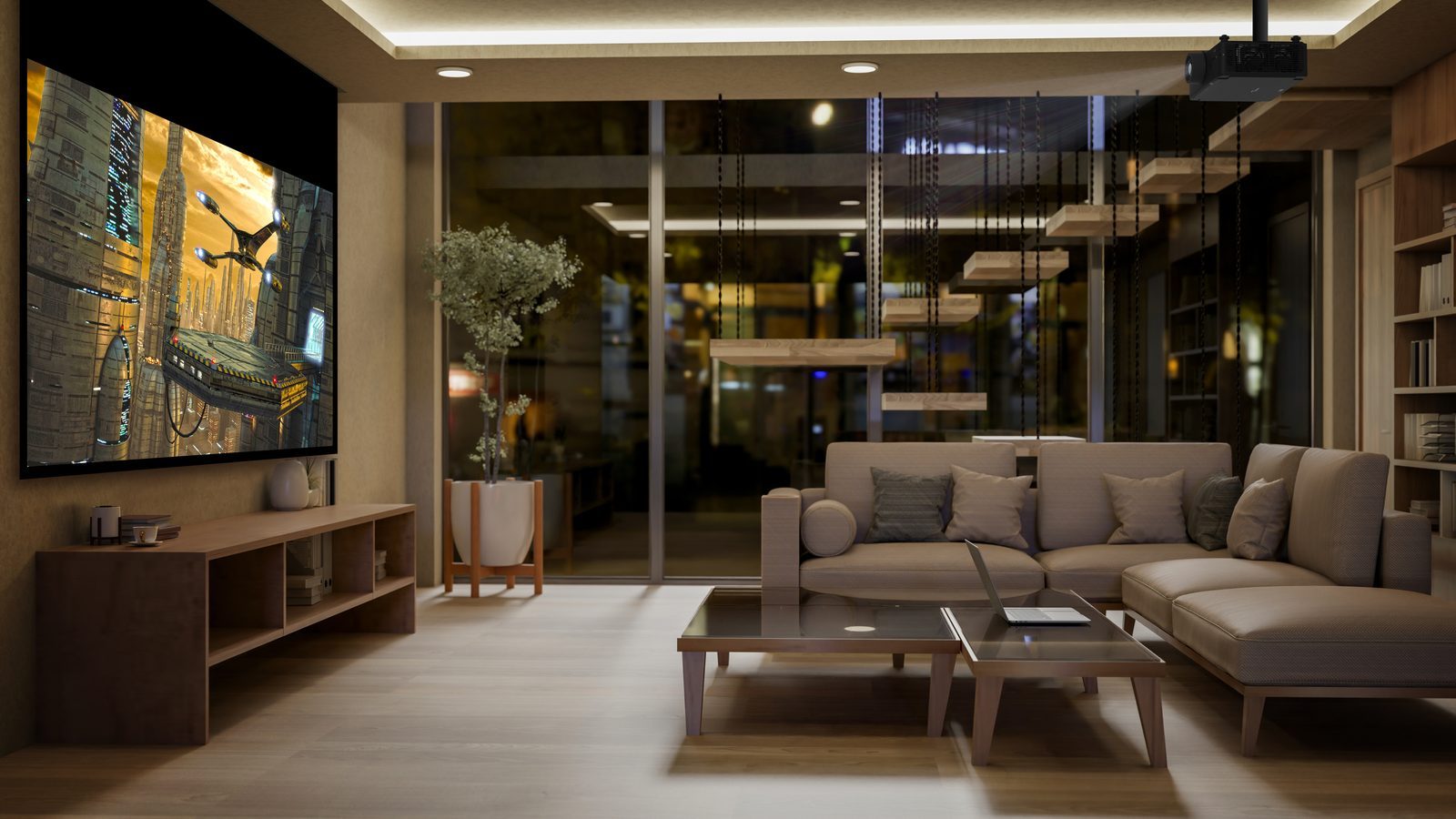
Dolby Vision, HDR10+, IMAX Enhanced and Filmmaker Mode on one triple RGB laser projector is still an unusual combination, and Optoma is routing the HCPro-5400 through the pro channel rather than framing it as a mass-market living-room model. The company lists a 4K UHD image, 5,000 lumens, eARC and broad colour coverage alongside those formats.
That is a very modern feature stack. Older home projectors often treated HDR as a limited add-on. The HCPro-5400 is being sold as a projector that belongs in today's source chains, where streaming boxes, game consoles, AVRs and sound systems all have to cooperate.
Dynamic metadata and a BT.2020 claim
Dolby Vision and HDR10+ support remain uncommon in projectors compared with TVs. They are not magic, because projectors still have lower peak brightness than flat panels, but dynamic metadata can help tone mapping if implemented well. IMAX Enhanced and Filmmaker Mode are useful only if the projector's picture modes are accurate and not just labels. A projector this bright can be excellent in a multipurpose room, but it must also avoid looking overcooked in a dark theatre.
The triple RGB laser system is the other major point. Optoma claims wide BT.2020 coverage, which could give the HCPro-5400 a strong colour-volume advantage over lamp and single-laser designs.
Built for installers rather than living rooms
Pushing an RGB triple-laser home-cinema model through the pro channel suggests Optoma expects installers to care about placement, screen matching, calibration and controlled-room use. In that context the feature story becomes more serious than it would be on a bright lifestyle model.
RGB laser can be a major advantage when it is managed well. It can deliver wide colour and strong brightness without the compromises of some single-laser/phosphor designs. The challenge is control: laser speckle, colour accuracy, greyscale tracking and HDR mapping all need attention, and a pro-channel projector should give calibrators enough tools to make the hardware behave. Installers will also look for lens shift, zoom range, throw flexibility and clean integration into control systems.
If Optoma has tuned the HCPro-5400 for calibration rather than only eye-catching colour, it becomes a credible alternative in the premium home-cinema conversation, and one of the more interesting custom-install projectors of the year.
Related Reading
XGIMI Unveils HORIZON 30 Series: 4K at 120Hz, Dual Iris Technology, and Up to 10,000:1 Native Contrast
XGIMI unveils the HORIZON 30 Pro, Max, and Ultra Max with RGB triple laser, 4K 120Hz, Dual Iris technology, and major contrast improvements.
Apple Music Hall Will Stream Concerts Globally From a 48-Speaker Spatial Audio Venue
Apple's new 600-capacity London venue combines Spatial Audio production, multicamera capture and global livestreaming, but home playback formats remain unannounced.
Epson Brings Three 4K Laser Projectors to the US From $1,999
The Home Cinema LS5000, LS6000 and short-throw LS7500 combine 3LCD laser engines, 4K/120Hz input and prices from $1,999.99.