JMGO N3 Ultimate focuses on optical setup instead of digital correction
Optical zoom, four-way lens shift and an AI gimbal put placement freedom at the centre of the JMGO N3 Ultimate, a 4K triple-laser Google TV projector.
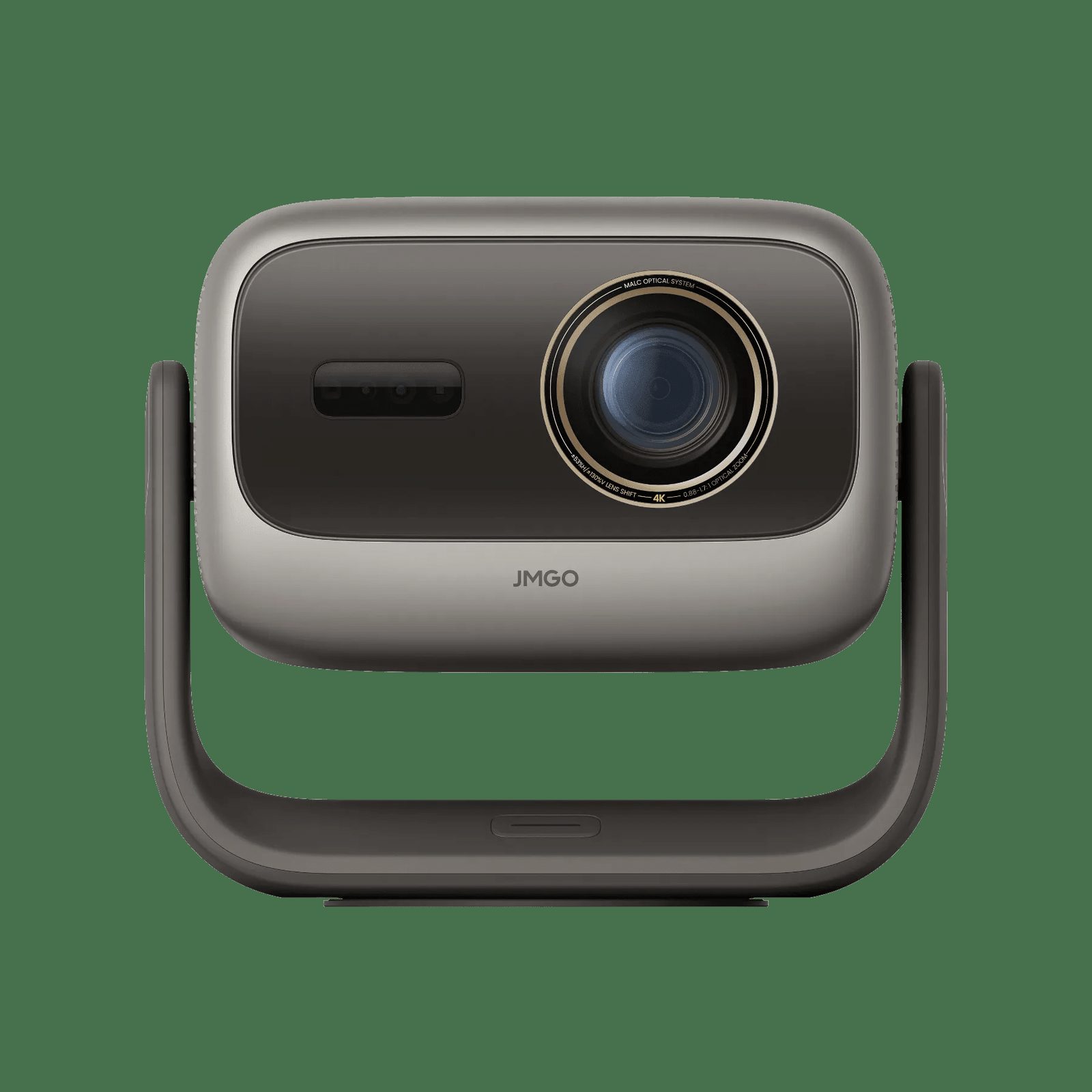
Optical zoom, four-way lens shift and an AI gimbal: JMGO is selling the N3 Ultimate on how it is placed rather than on what it plays. The company calls the trio a 3-in-1 optical system, and it is more interesting than another generic smart-projector launch because it attacks a real problem in lifestyle projection.
Many compact projectors rely heavily on digital keystone. That makes setup easy, but it can crop the image, soften detail and reduce the effective resolution. JMGO's pitch is that users can place the projector more freely while preserving the image through optical adjustments first.
The specification JMGO is selling
JMGO lists the N3 Ultimate as a 4K triple-laser projector with Google TV and native Netflix support. Retail and launch coverage highlight high ISO-lumen brightness, Dolby Vision support, optical zoom and extensive lens shift. RTINGS also identifies it as a 4K DLP projector with a tri-colour RGB laser light source and motorised optical controls.
The combination is compelling for rooms where a ceiling mount is not practical. If the projector can sit on furniture and still align a sharp image without heavy digital correction, it solves a real everyday problem.
Setup intelligence should support the lens, not replace it
Many lifestyle projectors lean on digital correction: auto keystone, screen fit, autofocus and AI scene detection. Those tools are useful, but they can hide the fact that the best image still comes from good optics and careful placement. JMGO seems to be arguing that setup intelligence should support the lens system, not replace it.
The questions are focus uniformity, gimbal stability, optical sharpness across the zoom range and whether the automatic setup tools remain accurate after repeated use, movement, warm-up and power cycles. Corrected and uncorrected images deserve a direct comparison, since keystone and screen-fit tools can reduce effective resolution; text clarity and fine-line patterns show the difference quickly. Brightness and colour need the usual pass too, especially with RGB laser systems that can look vivid but need calibration discipline, along with SDR accuracy, HDR behaviour, contrast, fan noise and input lag.
The N3 Ultimate is one of the more promising lifestyle projector designs of 2026 because it understands that placement flexibility should not come at the expense of image quality. A lifestyle projector should be easy to move, but owners still care about sharpness, brightness and geometry. If the N3 Ultimate can adjust quickly without making the image soft or visibly processed, it has a stronger argument than models that rely on aggressive digital correction.
Related Reading
XGIMI Unveils HORIZON 30 Series: 4K at 120Hz, Dual Iris Technology, and Up to 10,000:1 Native Contrast
XGIMI unveils the HORIZON 30 Pro, Max, and Ultra Max with RGB triple laser, 4K 120Hz, Dual Iris technology, and major contrast improvements.
Apple Music Hall Will Stream Concerts Globally From a 48-Speaker Spatial Audio Venue
Apple's new 600-capacity London venue combines Spatial Audio production, multicamera capture and global livestreaming, but home playback formats remain unannounced.
Epson Brings Three 4K Laser Projectors to the US From $1,999
The Home Cinema LS5000, LS6000 and short-throw LS7500 combine 3LCD laser engines, 4K/120Hz input and prices from $1,999.99.